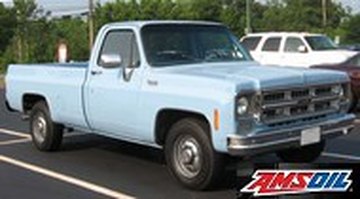
Lubrication Maintenance for the 1981 Gmc Trucks C2500 7.4L
Maintaining a large-displacement engine requires consistent attention to lubrication quality and system integrity. For owners of the 1981 Gmc Trucks C2500 equipped with the 7.4L engine, routine service is a fundamental aspect of long-term vehicle health. Because these engines are often utilized in demanding environments, understanding how to monitor and manage engine oil is essential for preventing unnecessary wear and ensuring the vehicle remains operational.
Monitoring Fluid Condition and Potential Leaks
One of the most effective ways to oversee the health of a 7.4L engine is through regular visual inspections. Rather than waiting for a warning light or a mechanical symptom, an owner can proactively look for signs of fluid loss or contamination. When performing routine checks, pay close attention to the area surrounding the engine block and the underside of the vehicle.
Evidence of seepage or active leakage can often be identified by looking for wet spots on the engine surfaces or dark stains on the ground where the truck is parked. If any fluid accumulation is noted, it warrants a closer inspection of various gaskets and seals to determine if they are showing signs of age-related deterioration. Additionally, checking the appearance of the oil itself can provide clues about the engine's internal state. Oil that appears excessively dark, gritty, or contains visible particulates should be investigated, as these conditions may indicate that the lubricant is no longer providing adequate protection or that contaminants have entered the system.
Managing Engine Lubrication Longevity
The primary role of engine oil extends beyond simple lubrication; it is also a critical component in managing heat and controlling the buildup of internal deposits. In any large-displacement engine, the lubricant must maintain its structural integrity under varying thermal loads. Over time, all lubricants undergo chemical changes due to exposure to heat and combustion byproducts, which can lead to the formation of sludge or other deposits if the oil is not changed according to a consistent schedule.
To help manage these processes, owners should follow the appropriate maintenance schedule for the vehicle. Consistent oil changes ensure that fresh additives—which are designed to maintain thermal stability and prevent oxidation—are replenished. For engines that have seen significant service life, some high-mileage oil formulations contain additives intended for use in aging engines. These specific formulations may include seal-conditioning additives that can help maintain the flexibility of various gaskets and seals, potentially assisting in the management of minor seepage.
Observing Potential Warning Signs
While proactive maintenance is ideal, vehicles can sometimes exhibit symptoms that indicate a need for immediate attention. It is important to recognize that many different mechanical issues can present similar symptoms; therefore, an unusual observation should be treated as a prompt for investigation rather than a definitive diagnosis.
- Unusual Odors: A burning smell may indicate that oil is contacting a hot engine component or exhaust surface.
- Changes in Consumption: If you notice that the vehicle requires more frequent top-offs of lubricant than usual, this warrants an inspection to identify the source of the loss.
- Visual Indicators: Any sudden appearance of dark smoke from the exhaust or a change in the color of the fluid on the dipstick should be investigated promptly.
- Warning Lights: If any oil-related indicators appear on the dashboard, the engine should be inspected immediately to prevent potential damage.
Because these symptoms can have multiple underlying causes, they should always be evaluated by a professional or through a thorough inspection of the engine bay and undercarriage.
Prioritizing Maintenance as the Vehicle Ages
As a 1981 Gmc Trucks C2500 moves further into its service life, maintenance priorities may shift from simple fluid changes to more comprehensive condition-based monitoring. Rather than following a generic checklist, an effective approach involves using the current physical condition of the vehicle to dictate service needs.
If you do not have a complete history of previous repairs and service, establishing a maintenance baseline is a wise first step. This can be done by performing a thorough inspection of all fluids, hoses (if present), and accessible belts (if equipped). Once a baseline is established, you can more easily identify changes in how the engine behaves or how much lubricant it consumes. Keeping detailed records of every oil change, filter replacement, and observed leak will help you distinguish between routine preventive maintenance and necessary repairs. Addressing active leaks or addressing overdue service items first ensures that the most critical components are stabilized before moving on to secondary maintenance tasks.
Inspecting Auxiliary Components
While engine oil is a primary focus, other components in the engine compartment should be inspected during routine service intervals to ensure a holistic approach to maintenance. For example, if equipped, inspect accessible drive belts for signs of cracking, glazing, fraying, or general deterioration. Similarly, inspecting hoses (if present) for softness, swelling, or leaks can prevent unexpected cooling or vacuum issues.
Electrical connections and wiring should also be checked for signs of corrosion or damage, as these can affect the accuracy of sensors and indicators related to engine health. By combining oil maintenance with these broader inspections, you create a more robust defense against mechanical issues.
Practical Guidance for Buying Engine Oil for your 1981 Gmc Trucks C2500 7.4L
When it is time to replenish the lubricant in your engine, the most important step is to ensure the product matches the specific requirements of your application. Do not rely on general automotive knowledge or assumptions based on the age of the truck when selecting a product.
To select the correct oil, match the engine oil to the application-specific viscosity information shown above on this page. Before making a purchase, always check the product labeling to verify that the oil meets the necessary quality standards and certifications. Depending on your specific needs and the condition of your engine, you may choose between conventional, synthetic blend, or full synthetic formulations. If your vehicle has high mileage, you might also consider looking at high-mileage formulations that include specialized additives. Always prioritize the exact specifications provided in the application information to ensure the lubricant is appropriate for your 7.4L engine.